
Our Story
After dedicating more than 20 years of service with the public health care sector, Able Mental Health Founder, Jocelyn Hunt, made the decision to create a counselling and psychotherapy practice where she could show up differently for her clients. Able Mental Health provides mental health care services centred on accessibility, adaptation, and inclusion. We’re delighted that you’re here.
Meet Jocelyn
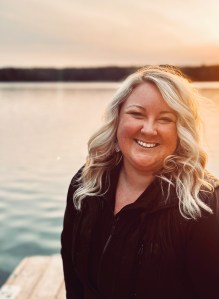
Hi there, I’m Jocelyn – or my friends call me Joss. I’m a proudly disabled Registered Social Worker & Psychotherapist living with a limb difference.
I was born with a unique and rare condition called symbrachydactly (sim-brack-ee-dack-till-ee) on my right hand. Having a lifetime of experience living with a disability and as a regulated health care professional, I bring a valuable, adaptive approach to mental health care and social work practice. As a congenital amputee (also referred to as “a person living with a limb difference”), this unique experience comes with its own challenges and opportunities. In health care, there is often a strong focus on function and performance (such as using assistive devices or prosthetics, adapting our homes, and completing activities of daily life). Sadly, mental health care is left out of the conversation and the bigger picture. It’s time to change this.
I created Able Mental Health to help address these gaps often experienced by people living with disabilities. Our services also extend to their families (biological/chosen), parents, partners, siblings, relations/relatives, friends, and other important people in their circle. I hold a special place in my heart for working beside care partners/caregivers, as their experiences with mental health & wellbeing are incredibly important to support and prioritize.
Do you have 10 fingers and 10 toes?
Perhaps you don’t identify as a person living with a disability?
That’s not a problem here, we don’t judge if clients are able-bodied and want to access our services. We welcome clients from all abilities, experiences, and backgrounds. That’s the beauty of being human.
Ready to get started? Let’s build on your own strengths & experiences (we know you have them). We’ll weave in our clinical social work skills (with a healthy dose of sass and humour) – and together, let’s make meaningful changes in your life.
Who We Serve
Our unique, adaptive focus serves as a dedicated space in the larger mental health care world. Able Mental Health is proud to provide services for people born with disabilities, as well as people who have acquired disabilities throughout their lives.
You do not have to have a disability in order to receive our services. Our doors are open to anyone looking for inclusive, authentic, and empowering mental health care. We just get really excited about accessibility around here (and hope you will, too!).
The Accessible Canada Act (2019) defines disability as:
“Any physical, mental, intellectual, cognitive, learning, communication, or sensory impairment or functional limitation that, in interaction with barriers, hinders a person’s full and equal participation in society. This definition includes conditions that are permanent, temporary, or episodic, and those that are not always visible.”
We welcome clients with the following lived experiences:
Physical/Mobility Disabilities
(congenital/acquired, permanent/chronic, temporary).
Neurocognitive Disabilities
(MCI/Early Onset, Alzheimer’s disease, Lewy Body dementia, Vascular dementia, Parkinson’s disease and more).
Sensory Disabilities
(vision and hearing).
Neurodiversity
(learning/dyslexia/ADHD, developmental/ASD, etc.).
Mental Health/Psychological Disabilities
(depression, anxiety, bipolar disorder, etc.).
Care Partners/Caregivers
parents, spouses/partners, adult children supporting aging parents, young/emerging adults in caregiving roles
Able-bodied people
who connect with our approach and guiding values.
Clinical Supervision & Consultation
in areas related to disability mental health, accessibility, aging, as well as disabled social workers/social workers living with disabilities.
Our clients are supported with the following:
- Living well with Anxiety/Depression
- Internalized/External Ableism
- Amputee Mental Health
- Perfectionism
- Identity, Self-Esteem & Self-Worth
- Body Image
- 2SLGBTQ+, Sexuality & Gender
- Indigenous Health & Wellbeing
- Grief, Loss & Bereavement
- Loneliness & Isolation
- Life & Work Stress
- Caregiver Stress
- Dementia Care
- Life Transitions & Coping with Change
- Relationship Concerns & Conflict
- Healthy Boundaries & Communication
- Understanding Emotions & Regulation Skills
- Clinical Supervision for Registered Social Workers
Referral Network
We have a referral network of trusted colleagues and community partners who provide services that fall outside of our area of focus and/or scope of practice. Our network includes: Registered Dieticians, Social Workers/Psychotherapists, Occupational Therapists, Prosthetists, Crisis Services, Community Mental Health, Acute and Primary Care, and more.
We will refer out for:
Crisis Services
Couples Therapy
Children & Youth Services
Addiction Treatment
Eating Disorder Treatment
Why Able Mental Health
Able Mental Health is grounded in a strength-based, adaptive, and trauma-informed approach to mental health care. Simply put – we’re all about humans supporting humans.
Through partnership, our approach focuses on walking beside you to help navigate life’s events. It is important that you have a place where you feel heard, empowered, and supported to try new ways of thinking and coping with whatever life decides to throw your way.
We will find ways to help you work through your concerns and ultimately, enhance your personal growth and well-being. During our sessions, we will build new skills, adapt our mindsets, as well as use your existing strengths and wisdom to help you move forward.
Accessibility in Therapy
At Able Mental Health, we focus on delivering engaging, high quality virtual mental health care. We take pride in how we adapt our approach, service delivery, and provide resources in alternative formats to help reduce barriers. As guided by our current clients, virtual delivery has many benefits for persons living with disabilities. Virtual care can offer increased access, convenience, and clients have the ability to use their adaptive equipment from the comfort of their home. Virtual mental health care can also reduce potential physical and transportation barriers that can impact attending in-person sessions. In-person appointments can be made available at our office space located in Port Perry, ON on a case-by-case basis.
Not sure what you need? That’s ok, too. Navigating accessibility options can feel overwhelming on a good day. We are happy to explore options and brainstorm together at any point during your therapy journey with us.
Clinical Approach
We use a blend of evidence-based mental health treatment, depending on the person and their goals in therapy. We often pull from extensive training in modalities such as:
Solution-Focused Therapy (SFT)
Acceptance and Commitment Therapy (ACT)
Trauma-Focused Cognitive Behavioural Therapy (TF CBT)
Motivational Interviewing (MI)
Dialectical Behaviour Therapy (DBT)
Cognitive Processing Therapy (CPT)
We hold a deep commitment, both professionally and personally, in developing and nurturing ways of knowing as it relates to anti-oppressive practice and cultural humility for the people we are privileged to work beside. Specifically, this includes ongoing training related to: Indigenous cultural safety; anti-racism; anti-diet culture and Health at Every Size ® ; supporting neurodiversity (such as ADHD, ASD); as well as gender-affirming and queer-affirming services. This is an ongoing, continuous, and dedicated process of learning and unlearning through both our roles as social workers/psychotherapists and as human beings.